
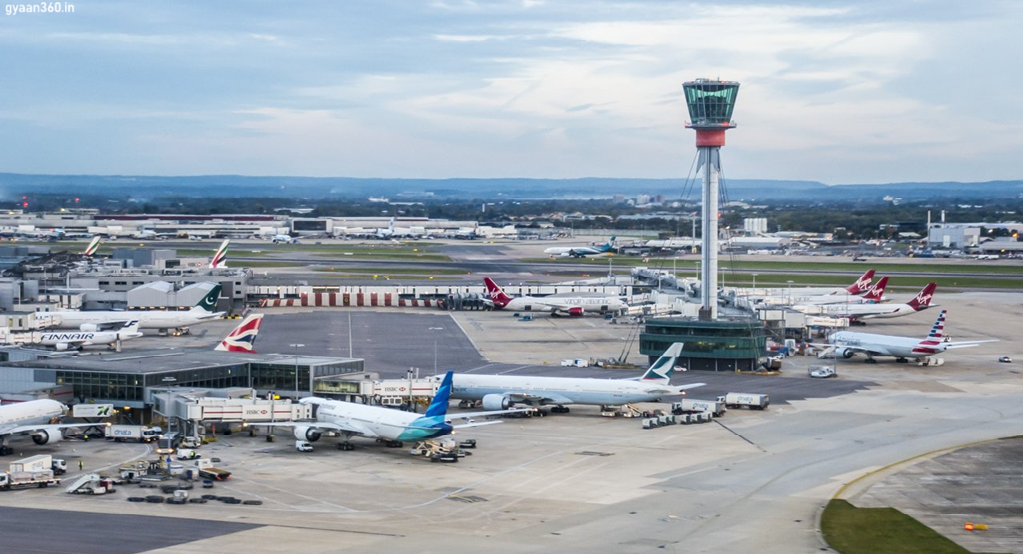

Airports as Profit-Driven Businesses
Airports are often seen as gateways to travel—places we pass through on our way to somewhere else. But beyond their role in global transportation, airports are complex businesses designed to generate revenue in multiple ways. Despite the high initial investment required to build and operate an airport, many of them end up turning a significant profit. So how exactly do airports earn money?
Aeronautical Revenue: Charging Airlines for Access
One of the most important revenue sources for any airport is aeronautical income. This includes fees charged to airlines for using the airport’s runways, terminals, and other facilities. Every time an aircraft lands, takes off, parks, or uses a gate, the airline pays a fee. These costs often get passed on to passengers through their ticket prices. The larger and more in-demand the airport, the higher these charges can be. For busy international airports, these fees represent a large chunk of consistent income.
Passenger Charges: Hidden in Your Ticket
In addition to fees from airlines, airports earn from passengers directly. Many of the charges you see built into your plane ticket—like security fees, passenger service charges, and airport improvement fees—are collected by the airport or on its behalf. These funds go toward maintaining the airport, enhancing security, and expanding infrastructure. Even though these fees may seem minor individually, they add up to millions when spread across thousands of daily travelers.

Duty-Free Shopping: A Major Retail Revenue Stream
One of the most visible and profitable aspects of airport business is duty-free shopping. For international travelers, these stores are a familiar sight. Duty-free shops offer tax-free goods such as luxury perfumes, electronics, alcohol, and cosmetics. Airports lease space to retail brands and earn either a fixed rental or a percentage of the sales. Some of the world’s busiest airports, like those in Dubai, Singapore, and London, make billions each year from duty-free sales alone. It’s not just about selling products—these shops are a core part of airport business strategy, designed to attract travelers and increase their spending time at the terminal.
Credit Card Partnerships: Banking on Premium Services
Another lesser-known but highly profitable income stream comes from financial partnerships. Airports often work with banks and credit card companies to offer exclusive services like lounge access, priority boarding, and shopping perks. In exchange, the airport earns commission or fixed partnership fees. Co-branded credit cards promoted inside airports are a common sight, and they benefit all parties involved—banks, travelers, and the airport itself.
Non-Aeronautical Revenue: Parking, Leasing, and Advertising
Airports also make significant money from what’s called non-aeronautical revenue. This includes everything from car parking to advertising. Parking facilities, especially at major airports, can be major money-makers. Long-term parking lots and valet services generate income 24/7. Meanwhile, advertising inside terminals—on walls, digital screens, and jet bridges—allows brands to reach a captive, high-income audience. Airports also lease office space, warehouses, and hangars to airlines, logistics companies, and government agencies.
The Business of Airports: High Investment, Long-Term Rewards
Despite the huge cost of construction, modern airports are built with profitability in mind. A major international airport might cost billions to develop, but with the right combination of aeronautical and non-aeronautical income, it can become a long-term financial asset. Airports today are not just transportation hubs—they are commercial zones, shopping centers, and real estate investments rolled into one.
Conclusion: A Multi-Stream Model of Profitability
In conclusion, airports earn revenue through a diverse mix of airline fees, passenger charges, retail sales, financial partnerships, and real estate income. The next time you’re strolling through a spacious terminal or picking up duty-free goods before a flight, you’re participating in a finely tuned business model. As global travel continues to grow, so too will the income streams that keep the world’s busiest airports running—and thriving.
DoFollow https://gyaan360.in/


 By
By

 seguroganas says: