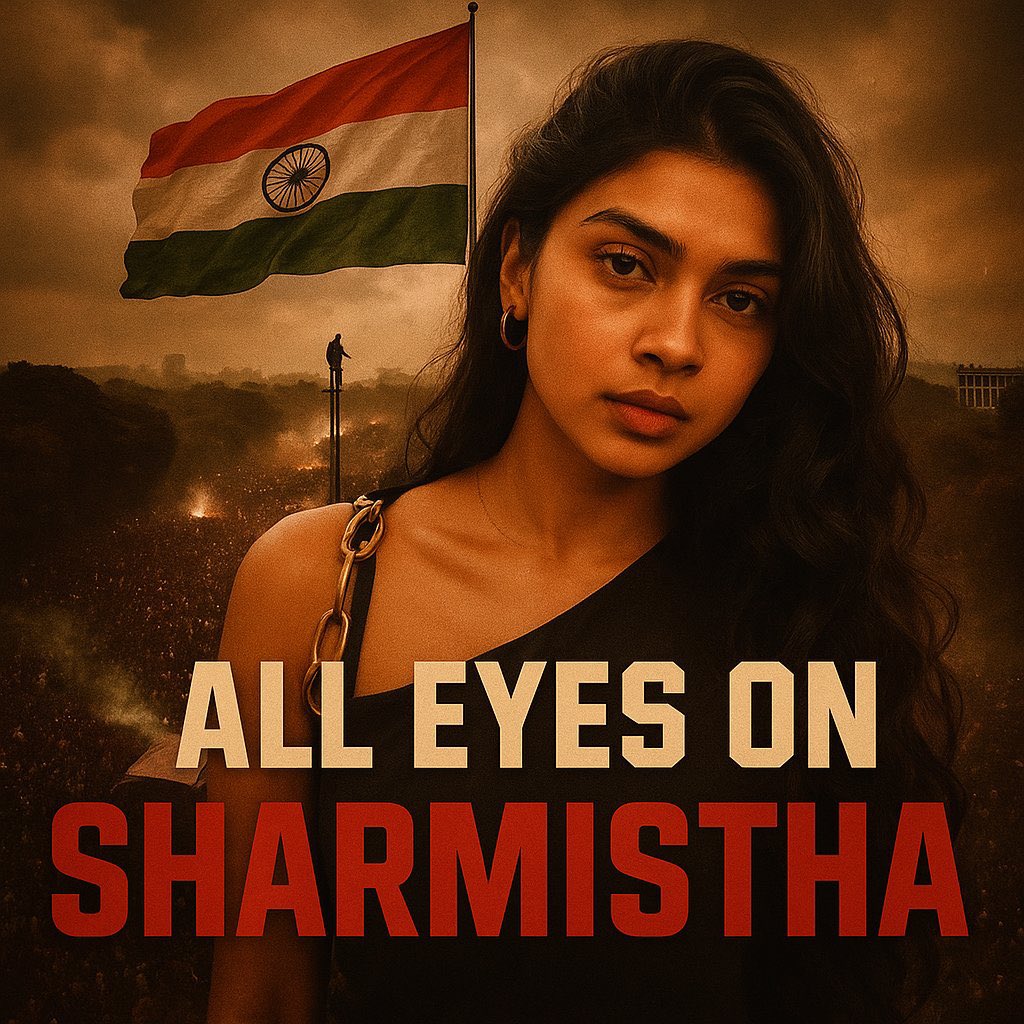

The Sharmistha Panoli case has gripped national attention, highlighting the thin line between freedom of expression and hate speech in India. The incident has not only led to legal repercussions but has also sparked debates on social media accountability, religious sensitivity, and political influence in law enforcement.
Who is Sharmistha Panoli?
Sharmistha Panoli is a 22-year-old law student and Instagram influencer based in Pune. With thousands of followers, she is known for her outspoken views on various socio-political issues. Her content often revolves around current events, youth activism, and legal awareness, resonating with many young Indians who seek raw and honest discussions online.
However, it was one such outspoken post that led her into serious trouble, pushing her into the center of a national controversy.
What is ‘Operation Sindoor’?
‘Operation Sindoor’ is a high-profile initiative launched by the Kolkata Police to tackle criminal elements and illegal activities within the city. The operation gained media traction and public interest, especially after several major arrests were made. While the initiative was primarily a law enforcement campaign, it inadvertently became a lightning rod for communal and political interpretation.
The Controversial Video
The controversy began when Sharmistha Panoli uploaded a video criticizing Bollywood celebrities for their silence on Operation Sindoor. She questioned why celebrities remained quiet when the operation allegedly involved members of a particular religious community. In the video, Panoli reportedly made remarks about the Prophet Muhammad and a specific religion, which many users online described as offensive, communal, and inflammatory.
Though Panoli deleted the video and issued a public apology, the damage had already been done. Screenshots and screen recordings of the post spread rapidly, leading to mass outrage, especially in West Bengal.
Legal Action and Arrest
Soon after the video gained traction, the Kolkata Police filed an FIR under various sections of the Bharatiya Nyaya Sanhita (the updated Indian Penal Code), including:
- Promoting enmity between groups
- Intentional insult to provoke breach of peace
- Offending religious sentiments
- Statements inciting public disorder
Despite being summoned multiple times, Panoli reportedly failed to appear before the authorities. She was subsequently arrested from Gurugram, Haryana, and brought to Kolkata on transit remand. The court later sent her to 14 days of judicial custody.
Political and Public Reactions
The case quickly escalated beyond the legal realm. Suvendu Adhikari, a prominent BJP leader, criticized the ruling Trinamool Congress (TMC) government for what he described as “selective outrage” and appeasement politics. He questioned why similar action wasn’t taken against other influencers or political leaders who have made inflammatory remarks in the past.
On social media, the hashtag #ReleaseSharmistha began trending. Supporters argued that while her video was inappropriate, the arrest was a harsh response for a first-time offense. Others emphasized the need for responsible use of digital platforms, especially by those with influence.
Notably, actress Kangana Ranaut also came out in support of Panoli. In an Instagram post, she condemned the legal action and said, “We can correct, educate or ignore people. There’s no need to bully, humiliate or harass them legally.”
What This Case Means for India
The Sharmistha Panoli case raises several important questions:
- Where should we draw the line between free speech and hate speech?
- Are influencers held to different standards than politicians or public figures?
- How should law enforcement balance public sentiment with legal due process?
In a digital world where opinions can go viral within minutes, the responsibilities of content creators, influencers, and even ordinary users are immense. While legal frameworks must ensure communal harmony and protect citizens, it is equally essential to preserve the democratic right to dissent and debate.
Conclusion
As legal proceedings continue, the nation watches closely. Whether Sharmistha Panoli’s arrest sets a precedent for influencer accountability or exposes the risks of overreach in handling religious sensitivity remains to be seen. One thing is certain: the conversation around digital speech in India has entered a new phase.
DoFollow


 By
By
 By
By

 dwindled says: