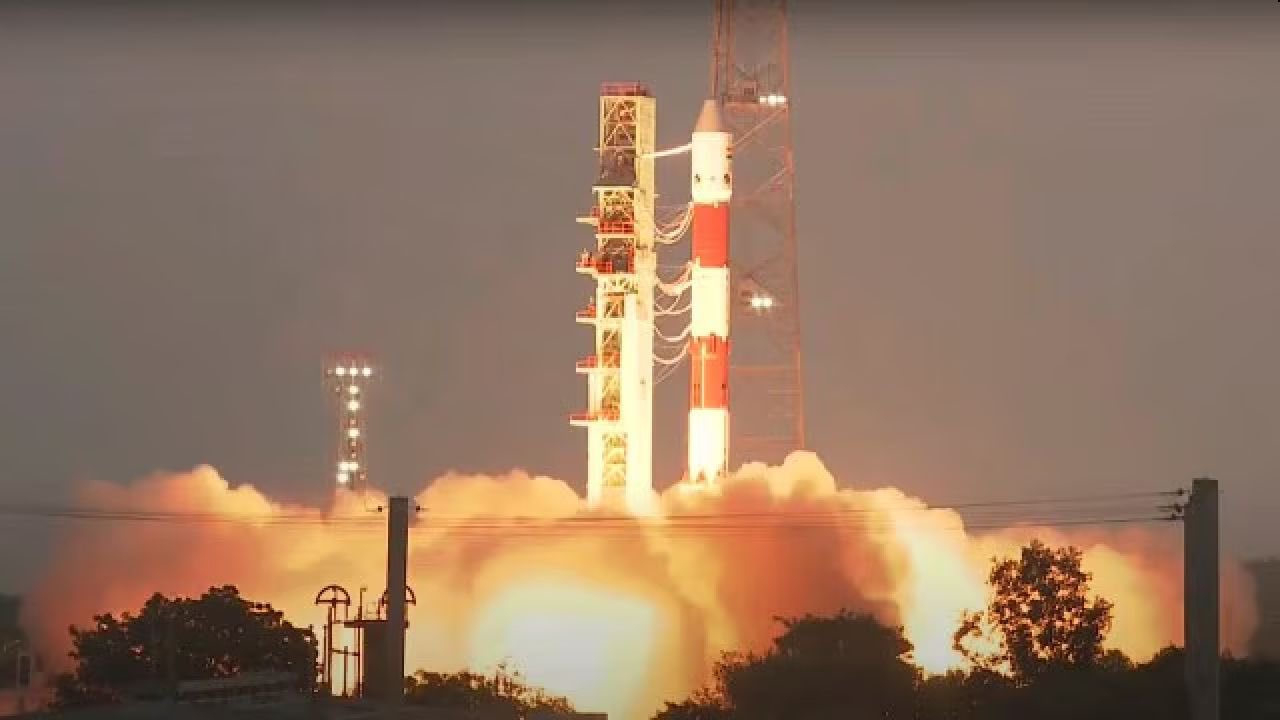

ISRO, the pride of India’s scientific and space community, faced a rare setback with the recent failure of the PSLV-C61 mission. After 21 consecutive successful launches, this unfortunate incident marks a moment of reflection and learning for one of the world’s most reliable space agencies.
The PSLV-C61 Setback: A Rare Misstep
On [Insert Date Here], the Polar Satellite Launch Vehicle (PSLV-C61)—known for its record of precision and dependability—did not deliver as expected. While the exact cause of the failure is under investigation, the emotional and technical impact is undeniable. For an agency that has repeatedly made India proud—from Chandrayaan to Mars Orbiter Mission (Mangalyaan)—this setback serves as a reminder of the high risks involved in space exploration.
“Heartbreak for ISRO is real, but so is its resilience.”
Despite the failure, ISRO’s legacy remains untarnished. With a track record of innovation, cost-effectiveness, and scientific breakthroughs, India’s space agency has always turned its setbacks into stepping stones.
Why This Mission Mattered
The PSLV-C61 mission was expected to support national interests, particularly in strategic surveillance and imaging. The payload included advanced satellites equipped with SAR (Synthetic Aperture Radar) technology, capable of capturing high-resolution images—even through clouds or at night.
Such technology is extremely beneficial for:
- Border surveillance
- Disaster management
- Agricultural monitoring
- Strategic military operations
The failure delays India’s plan to bolster its real-time imaging capabilities—a crucial component in modern defense and planning.
Looking Ahead: Two More ISRO Missions in 2025
ISRO is not dwelling on defeat. In true Indian spirit, the agency is already gearing up for two more critical missions in 2025. These upcoming launches will again feature satellites using SAR technology, reaffirming India’s goal to become a self-reliant surveillance power.
The Indian government views these missions as essential. In an era of heightened geopolitical tensions, having indigenous satellite-based imaging will reduce dependence on foreign intelligence and boost national security.
Final Thoughts: A Temporary Pause, Not the End
Yes, PSLV-C61’s failure stings deeply—especially after an impressive streak of 21 successful missions. But this is just a temporary pause in ISRO’s otherwise soaring journey. History has shown that every failure for ISRO is followed by bold innovation and stronger comebacks.
To the scientists, engineers, and dreamers behind ISRO—India stands with you.
The sky is not the limit. It’s just the beginning.

 By
By
 91clubgamelogin says:
 777casinonl says:
 muhaylovakoliba.1gb.ua says:
 www.fightdynasty.com says:
 https://gilbert-siegel.blogbright.net/die-eight-besten-legalen-steroide-fur-den-muskelaufbau-2025-legale-anabolika-alternativen says: