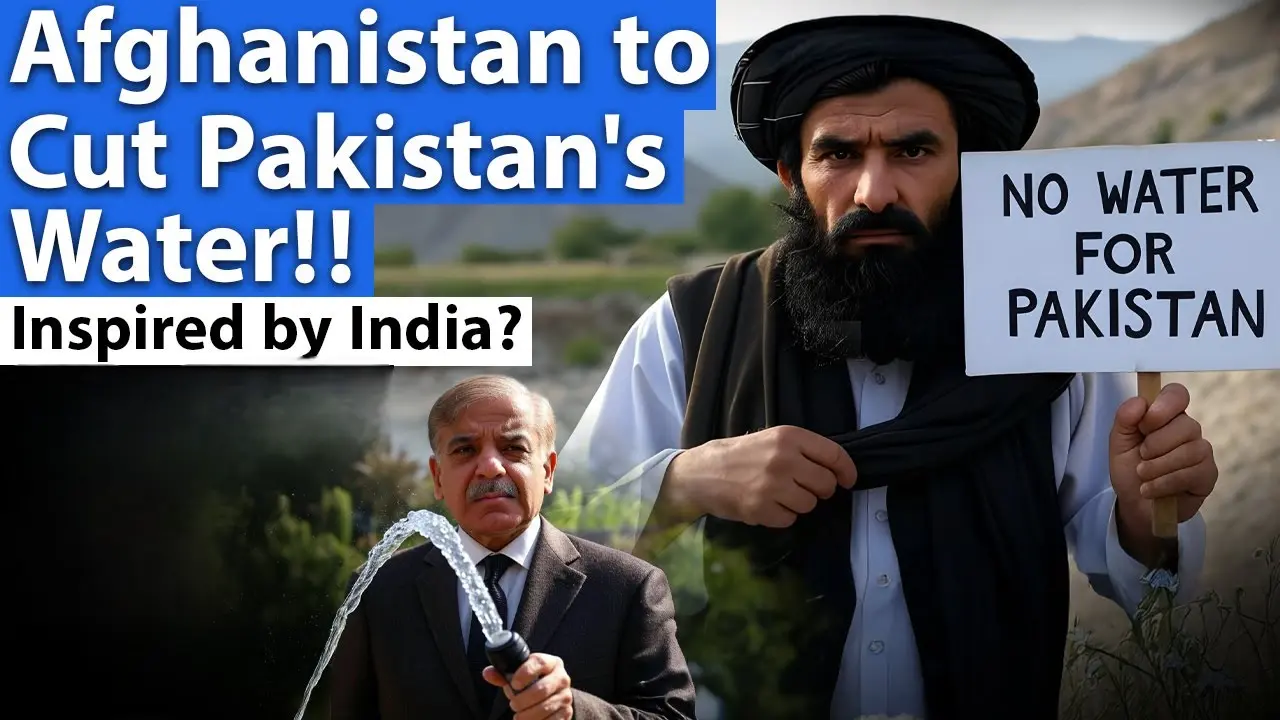

Afghanistan-Pakistan Water War : A possible water war between Afghanistan and Pakistan may erupt over dam construction and river control. India’s strategic role adds complexity to the region’s geopolitics. Learn how water scarcity is shaping South Asia’s future.
Afghanistan-Pakistan Water War
Water: The New Weapon in South Asia’s Geopolitical Chessboard
Water, not weapons, might soon decide the fate of nations. In a powerful geopolitical analysis, expert Prashant Dhawan warns that a localized water war between Afghanistan and Pakistan could erupt in the next 5 to 10 years. While India-Pakistan conflicts are subdued due to nuclear deterrence and global diplomacy, Afghanistan-Pakistan tensions are rising dangerously—and water is at the heart of it.
Afghanistan, under the Taliban government, has announced plans to build major dams on rivers flowing into Pakistan, including the Kunar River, which merges into the Indus River—vital for Pakistan’s agricultural lifeline in Sindh. With India backing Afghanistan’s infrastructure development, the stakes are higher than ever.
India’s Silent Power Move: Dams, Diplomacy, and the Taliban
India, traditionally opposed to the Taliban, is now investing in Afghanistan’s infrastructure by supporting key projects like the Salma Dam (Afghanistan-India Friendship Dam) and the Shatoot Dam, which will provide drinking water to millions in Kabul. This strategic engagement with the Taliban regime signals a bold diplomatic shift by India.
But this involvement isn’t just humanitarian. India’s infrastructure diplomacy indirectly challenges Pakistan’s water security. Pakistan perceives these Indian-backed dams as acts of aggression, and officials have warned of severe consequences. India’s support gives Afghanistan the confidence to proceed with projects that may drastically reduce Pakistan’s water inflow, especially to its already struggling agricultural regions.
Why Pakistan Is Worried
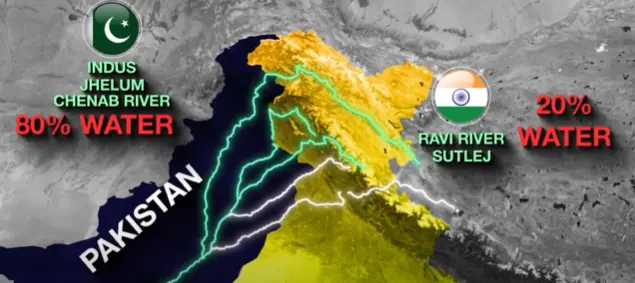
Pakistan is heavily reliant on river water from both India and Afghanistan. The suspension of the Indus Waters Treaty by India has already raised alarms. With no water-sharing treaty between Pakistan and Afghanistan, Islamabad finds itself vulnerable.
Afghanistan, meanwhile, is desperate to develop its arid lands. Nearly half of its cultivable land remains unused due to water shortages. The Taliban regime considers water access not only a development issue but a matter of national survival. Legally, Afghanistan has full sovereignty over rivers originating within its borders—giving it the upper hand in this unfolding crisis.
What Makes This Conflict Dangerous
Unlike India-Pakistan relations, which are monitored by international actors and nuclear balance, Afghanistan-Pakistan tensions lack such checks. This increases the risk of actual warfare—maybe not on a massive scale, but deadly enough to destabilize the region.
Water scarcity has always been a trigger for conflict globally. In South Asia, where millions rely on agriculture, water isn’t just an environmental concern—it’s a geopolitical weapon. This emerging Afghanistan-Pakistan water conflict may be the first of its kind in the region, potentially involving India as a key influencer.
India’s Soft Power and Strategic Edge
India’s investment in Afghanistan’s dams is not only about helping a neighbor—it’s a long-term strategy to gain influence in Central Asia and counterbalance China and Pakistan. The symbolic value of the Friendship Dam, with its flags intact even under Taliban rule, highlights the emotional and strategic bond between India and Afghanistan.
By maintaining open diplomatic channels with the Taliban, India is showing a pragmatic foreign policy shift that prioritizes long-term security and influence in the region.
A Final Twist: Data Science as the Future
In an interesting conclusion, the video shifts focus from geopolitics to careers—promoting Career 247’s live data science and AI course. This reflects a broader message: while the world struggles with territorial conflicts, the future lies in data, AI, and innovation.
Conclusion
This complex interplay of water scarcity, infrastructure, diplomacy, and national security could redefine the balance of power in South Asia. For India, the moment presents both an opportunity and a responsibility. As the Afghanistan-Pakistan water war looms, India’s next moves—through dams, diplomacy, or development—could shape the future of the region.


 By
By
 By
By